
San Francisco and Marin CA
What You Should Know Before Brightening Your Smile
Teeth whitening is one of the most popular cosmetic dental treatments today. With so many options—from drugstore whitening strips to in-office treatments—more people than ever are looking for ways to achieve a brighter, more confident smile. But a common question we hear at Glen Park Dental is: Can teeth whitening cause dental problems?
Let’s explore how whitening treatments work, what potential side effects you should know about, and how to whiten safely without compromising your oral health.
How Does Teeth Whitening Work?
Most whitening systems—whether over-the-counter or professional—use peroxide-based bleaching agents to break down stains on the enamel (the outermost layer of your teeth). These stains can come from food, drinks, smoking, or simply age. The whitening agents penetrate the enamel and break apart the molecules causing discoloration, leaving your teeth looking brighter.
While teeth whitening is generally considered safe when done correctly, there are a few potential side effects to be aware of.
Common Teeth Whitening Problems
1. Tooth Sensitivity
The most reported side effect is temporary sensitivity. This happens because the whitening agents can reach the dentin layer beneath the enamel, which contains tiny nerve endings. You may notice discomfort when eating hot, cold, or sweet foods after a whitening session.
Tip: Use toothpaste designed for sensitive teeth before and after whitening to minimize discomfort.
2. Gum Irritation
Gum irritation often occurs when whitening gels come into contact with soft tissue. This is especially common with ill-fitting trays or improper application from at-home kits. Symptoms may include redness, mild burning, or swelling, but they typically go away within a day or two.
Tip: Rinse with warm salt water and avoid brushing too aggressively around irritated areas.
3. Uneven Whitening
If you have dental restorations like crowns, veneers, or composite fillings, they won’t whiten the same way as natural teeth. This can lead to uneven results where some teeth appear brighter than others.
Tip: Talk to your dentist before whitening to create a plan that addresses existing restorations.
Professional Whitening vs. At-Home Kits
At-Home Whitening:
Pros:
- More affordable
- Easy to use
- Lower peroxide concentrations may mean less sensitivity
Cons:
- Less consistent results
- Higher chance of gum irritation
- Takes longer to see noticeable changes
- Results can vary based on product and technique
Professional Whitening at Glen Park Dental:
Pros:
- Faster, more predictable results
- Custom-fitted trays or in-office treatments reduce the risk of gum irritation
- Supervised by a dental professional
- Higher-quality ingredients and technology
Cons:
- More expensive upfront
- Temporary sensitivity is still possible, although often less severe due to precise application
Does Whitening Harm Tooth Enamel?
This is a common concern. The good news is that studies have shown teeth whitening, when done properly, does not permanently damage enamel. The key is moderation and using reputable products under the supervision of a dentist. Overusing whitening products, especially over-the-counter ones, can lead to enamel thinning or irritation of the soft tissues.
Bottom line: Whitening isn’t inherently bad for your teeth—but using the wrong product too often or incorrectly can create problems.
How to Whiten Safely
- Always follow product instructions
- Avoid over-whitening—don’t repeat treatments more than recommended
- Use fluoride toothpaste to help strengthen enamel
- Avoid stain-causing foods and beverages like red wine, coffee, and dark berries right after whitening
- Consult with your dentist if you’ve had previous sensitivity or have dental work that might affect results
Considering Teeth Whitening in San Francisco?
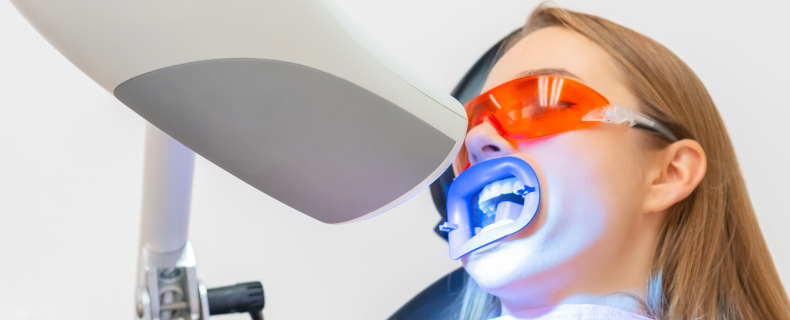
At Glen Park Dental, we offer both in-office whitening and custom at-home kits designed to safely and effectively brighten your smile. Our team will assess your oral health, discuss your goals, and help you decide which method is best for you—minimizing sensitivity and maximizing results.
📍 Visit us at: 4 Joost Ave, San Francisco, CA 94131
📞 Call: (415) 799-3900